Top 10 Science-Backed Benefits of Resveratrol for Adults Over 50
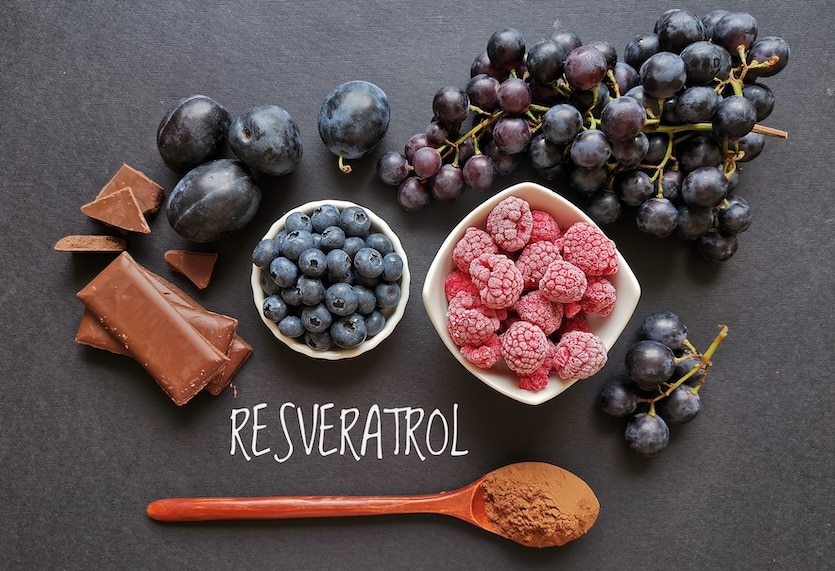
Resveratrol has become a frequently discussed compound in health conversations, especially among adults over 50 who are focused on maintaining vitality and preventing age-related decline. It is a naturally occurring polyphenol found in foods such as grapes, red wine, berries, and peanuts, and it has attracted scientific interest for potential protective effects across multiple organ systems. Over recent decades researchers have investigated resveratrol in laboratory studies, animal experiments, and human clinical trials, and reputable institutions including the National Institutes of Health and major academic centers have contributed to the literature. While the evidence base varies by outcome and more large, long-term trials are still needed, several consistent patterns have emerged that are relevant to older adults. This article provides an evidence-informed review of the top 10 benefits attributed to resveratrol, translating findings into practical considerations for people over 50. The goal is to present clear, balanced information that helps readers discuss resveratrol intelligently with their healthcare providers. Throughout, the emphasis will be on mechanisms supported by research and on safety considerations for those taking medications or living with chronic conditions.
Cardiovascular health and blood vessel function
Cardiovascular disease risk rises with age, and endothelial function and arterial stiffness are important determinants of heart health in older adults. Resveratrol has been shown in laboratory and small clinical studies to improve markers of endothelial function, which refers to how well the inner lining of blood vessels responds to changes in blood flow and pressure. Improved endothelial function can translate into better regulation of blood pressure and reduced risk of atherosclerotic plaque progression, although the magnitude of benefit in long-term outcomes remains under study. Some trials in humans have reported modest reductions in systolic blood pressure and favorable changes in vascular reactivity after resveratrol supplementation, particularly in individuals with preexisting risk factors. Mechanistically, resveratrol appears to enhance nitric oxide availability, reduce oxidative stress in blood vessels, and modulate inflammatory signaling pathways that contribute to vascular damage. For older adults, these mechanisms are relevant because age increases oxidative stress and inflammation in the cardiovascular system. It is important to view resveratrol as one potential adjunct to established cardiovascular risk management strategies such as diet, exercise, smoking cessation, blood pressure control, and appropriate use of medications recommended by clinicians.
Clinical evidence is evolving, and effect sizes reported for resveratrol vary across studies based on dose, formulation, and participant health status. Some trials have used pure resveratrol supplements, while others examined doses delivered through foods or combination products, which complicates direct comparisons. The cardiovascular benefits appear more consistent in studies that enroll participants with metabolic syndrome, hypertension, or endothelial dysfunction, suggesting a greater potential for benefit when baseline risk is present. Safety considerations are also important because resveratrol can interact with medications that influence blood clotting and with drugs that are metabolized by certain liver enzymes. Older adults who take anticoagulants, antiplatelet agents, or a range of prescription medicines should consult their healthcare provider before starting a resveratrol supplement. Overall, resveratrol shows promise for supporting vascular function in older adults, but it should complement rather than replace established cardiovascular treatments.
Practical advice for older adults considering resveratrol for cardiovascular support includes discussing goals with a clinician and prioritizing proven lifestyle interventions first. Regular aerobic and resistance exercise, dietary patterns such as the Mediterranean diet, weight management, and lipid and blood pressure control have clear, robust effects on cardiovascular outcomes and should remain central to any plan. If resveratrol is considered as an adjunct, choosing a reputable supplement manufacturer and discussing potential interactions with medications is essential. For individuals who prefer food-based intake, moderate consumption of resveratrol-containing foods like grapes and berries can be part of an overall heart-healthy diet without the risks associated with high-dose supplements. Lastly, clinicians may monitor blood pressure, lipid profiles, and vascular symptoms to assess any potential benefits or adverse effects when resveratrol is added to a regimen.
Metabolic health and insulin sensitivity
Metabolic syndrome and type 2 diabetes become more prevalent with age, and insulin resistance is a core feature that contributes to long-term complications. Resveratrol has been investigated for its potential to improve insulin sensitivity and glucose regulation, with several studies showing promising metabolic effects in laboratory models and in some human trials. Mechanisms proposed include activation of signaling pathways associated with improved insulin signaling, reductions in inflammation that impair glucose uptake, and modulation of gene expression related to energy metabolism. In clinical contexts, modest improvements in markers such as fasting glucose, insulin levels, and measures of insulin sensitivity have been observed, particularly in individuals with impaired glucose tolerance or existing metabolic disturbances. These findings suggest that resveratrol may help support metabolic control in people with risk factors, although it is not a substitute for medication when those are indicated. For adults over 50, maintaining healthy blood sugar levels is critical for reducing the risk of cardiovascular disease, neuropathy, and other diabetes-related complications.
When interpreting metabolic studies, it is important to recognize variability across trials in terms of dosage, duration, and participant characteristics, which affects the consistency of findings. Some trials used relatively short supplementation periods or small sample sizes, limiting generalizability to broader populations of older adults. Additionally, combining resveratrol with lifestyle measures such as dietary modification and physical activity is logical because these interventions have large, well-documented impacts on insulin sensitivity. Health professionals often recommend integrating supplements into a comprehensive lifestyle plan rather than relying on any single compound to manage metabolic disease. Monitoring is also important, since changes in blood glucose or insulin sensitivity may warrant adjustments to medications prescribed for diabetes or prediabetes.
Practical considerations include checking blood sugar levels more frequently when starting resveratrol if you take glucose-lowering medications, and communicating with your prescribing clinician about any trends that could require dose changes. For many adults over 50, gradual lifestyle adjustments that support healthy weight, increased muscle mass through resistance exercise, and a focus on whole foods provide the most reliable metabolic benefits. Resveratrol may have an adjunctive role, particularly when individualized care plans also address sleep, stress management, and physical activity. Choosing evidence-based sources of information and avoiding exaggerated claims in marketing materials will help older adults make informed choices about supplementation.
Anti-inflammatory effects and immune modulation
Chronic low-grade inflammation is a hallmark of aging and contributes to a range of age-associated diseases, including cardiovascular disease, diabetes, neurodegeneration, and some cancers. Resveratrol has been shown in laboratory studies to modulate inflammatory pathways, including reductions in pro-inflammatory cytokines and inhibition of signaling molecules that drive chronic inflammation. These anti-inflammatory effects are considered relevant to healthy aging because reducing persistent inflammation may slow progression of multiple chronic conditions. Some clinical studies have identified reductions in circulating markers of inflammation after resveratrol supplementation, though results are heterogeneous and depend on baseline inflammatory status and dose. For older adults, the potential inflammatory modulation offered by resveratrol may support overall resilience, but translating changes in biomarkers into clear clinical outcomes requires more robust evidence. Clinicians and researchers emphasize that controlling sources of inflammation through lifestyle factors remains foundational to health in later life.
Lifestyle approaches that reduce inflammation include maintaining a healthy weight, engaging in regular physical activity, eating a diet rich in anti-inflammatory foods such as vegetables, fruits, whole grains, fish, and healthy fats, and avoiding smoking and excessive alcohol. Resveratrol can be viewed as an additional tool that may provide supplementary anti-inflammatory effects when used responsibly. For individuals with autoimmune conditions or those taking immunosuppressive medications, discussion with a healthcare provider is essential because immune-modulating compounds can interact with prescribed therapies. Clinical follow-up and appropriate laboratory monitoring help ensure that any supplement use does not compromise treatment goals or safety. Overall, the anti-inflammatory properties of resveratrol are biologically plausible and supported by experimental data, though more definitive clinical evidence is still accumulating.
When considering resveratrol for inflammation reduction, older adults should weigh potential benefits against the need for proven interventions that manage chronic disease risk. Anti-inflammatory dietary patterns, regular physical activity, adequate sleep, and stress management have clear clinical benefits and should be prioritized. If resveratrol is added, it should complement these strategies and be discussed with a healthcare provider to avoid unintended interactions. Finally, focusing on whole-person health and multimodal approaches will typically produce stronger and more durable reductions in inflammation than single-agent strategies alone. This balanced perspective helps align expectations and supports safe, evidence-informed use among adults over 50.
Brain health and cognitive support
Cognitive decline and neurodegenerative conditions are major concerns for older adults, and maintaining brain health is a top priority for many. Resveratrol has attracted attention for potential neuroprotective effects, including antioxidant activity, modulation of cerebral blood flow, and influence on cellular pathways related to neuronal survival. Some human studies have reported improvements in cerebral blood flow and favorable changes in biomarkers associated with brain health after resveratrol supplementation, though direct evidence for prevention of dementia or substantial cognitive improvement is limited. Laboratory research suggests that resveratrol can mitigate oxidative stress and inflammation in neural tissue, which are processes implicated in age-related cognitive decline. For adults over 50, these biological mechanisms are relevant because aging is associated with increased oxidative damage and reduced vascular support for the brain. However, resveratrol should not be presented as a guaranteed means to prevent cognitive disorders; it may be one component of a broader brain health strategy.
Effective approaches for supporting cognitive function in later life remain rooted in cardiovascular and metabolic health, social engagement, cognitive stimulation, and physical activity. The links between heart health and brain health are well established, which reinforces the importance of blood pressure and lipid control, exercise, and a nutritious diet. Resveratrol may offer complementary benefits by supporting cerebral blood flow and cellular resilience, but older adults should continue to prioritize evidence-based interventions with proven impact on cognition. Clinicians can help patients integrate supplements like resveratrol into personalized plans that consider medical history, medication interactions, and realistic goals for cognitive maintenance. Ongoing research aims to clarify which populations and dosages might derive the most benefit, and for now a cautious, integrated approach is advisable.
When discussing brain health, it is also useful to consider lifestyle modifications that enhance neuroplasticity and reduce risk factors for cognitive impairment. Regular aerobic exercise improves blood flow to the brain and supports neurogenesis in key regions, while mental challenges and social connections encourage cognitive reserve. Diets rich in polyphenols, omega-3 fatty acids, and antioxidants are associated with better cognitive outcomes and can be combined with resveratrol-containing foods or supplements if appropriate. Ensuring proper sleep and management of cardiovascular risk factors further strengthens brain health strategies. Resveratrol may be a helpful adjunct, particularly when used thoughtfully within a broader, evidence-based plan for cognitive resilience in older adulthood.
Cellular aging and longevity pathways
One of the most discussed aspects of resveratrol is its potential influence on cellular mechanisms that regulate aging, including pathways involving sirtuins and other molecules linked to longevity. Research in model organisms has demonstrated that resveratrol can activate certain cellular sensors that resemble the effects of calorie restriction, which has been associated with extended lifespan in some species. These findings generated enthusiasm about the compound as a candidate for promoting healthy aging, and subsequent research has explored whether similar effects occur in mammals and humans. Although laboratory studies support biochemical interactions with longevity pathways, translating these effects into meaningful increases in human lifespan remains unproven. Nonetheless, resveratrol’s actions on cellular stress response, DNA repair processes, and metabolic regulation are biologically relevant to aging, particularly for tissues susceptible to age-related decline.
For adults over 50, interventions that promote cellular resilience can contribute to reduced disease burden and improved function, even if direct lifespan extension is uncertain. Strategies such as maintaining physical activity, optimizing nutrition, avoiding tobacco, and managing chronic conditions support healthy cellular aging across multiple pathways. Resveratrol may complement these strategies by influencing molecular processes that help cells cope with stress and maintain function. Researchers caution that the dose and formulation required to produce consistent effects in humans remain under investigation, and that whole-person interventions have the strongest evidence base for improving healthspan. Thus resveratrol should be considered within a larger framework of lifestyle and medical care aimed at preserving function and reducing disease risk with age.
When considering the potential longevity-related benefits of resveratrol, older adults should be pragmatic about expectations and prioritize interventions with established effects on morbidity and quality of life. Participation in research studies may be an option for some individuals who want to contribute to advancing knowledge about resveratrol and aging. In routine clinical practice, discussing resveratrol use with providers helps align supplement choices with individualized goals and safety considerations. Monitoring for interactions and side effects, and integrating resveratrol into a balanced regimen that emphasizes evidence-based practices, supports a cautious and informed approach to leveraging potential longevity pathways.
Mitochondrial function and energy metabolism
Mitochondria are the cellular powerhouses that generate energy, and mitochondrial dysfunction is a common feature of aging that contributes to reduced stamina, fatigue, and impaired organ function. Resveratrol has been shown in laboratory research to influence mitochondrial biogenesis and efficiency, potentially improving cellular energy production and resilience to metabolic stress. These effects are mechanistically linked to pathways that enhance mitochondrial quality control, reduce oxidative damage, and promote more efficient fuel utilization. Some human studies have suggested improvements in markers of mitochondrial function or muscle bioenergetics after resveratrol supplementation, especially when combined with exercise interventions. For older adults, maintaining mitochondrial health supports physical function, endurance, and the capacity to perform daily activities independently. Improving mitochondrial efficiency is therefore a meaningful target for those seeking to preserve functional status with age.
Combining resveratrol with physical activity is a logical strategy because exercise is a powerful stimulus for mitochondrial biogenesis and metabolic health. Resistance and aerobic training both promote improvements in muscle mitochondrial content and function, and when combined with nutritional strategies these changes translate into better strength, mobility, and metabolic control. Resveratrol may augment these adaptive responses in some contexts, but it is not a replacement for the well-established benefits of regular exercise. Older adults considering resveratrol to support energy and mitochondrial health should incorporate structured physical activity into their routine and aim for progressive, sustainable increases in movement. Clinicians can tailor recommendations to individual capacity and monitor functional measures over time.
Safety and dosing considerations are relevant because higher doses of any bioactive compound can have unanticipated effects on metabolism and medication metabolism. For older adults, gradual implementation and monitoring are prudent when starting a supplement intended to influence cellular energy systems. Blood tests, assessment of functional capacity, and open communication with healthcare providers help identify beneficial responses as well as any adverse effects. Emphasizing a holistic approach that includes exercise, balanced nutrition, adequate sleep, and stress management provides the strongest foundation for maintaining mitochondrial health alongside any supplemental strategies.
Exercise performance, recovery, and muscle health
Maintaining muscle mass and functional strength becomes increasingly important after age 50 for preserving independence and reducing fall risk. Research has explored whether resveratrol can support muscle function, exercise capacity, and recovery, with interest in its combined effects with training interventions. Some studies suggest that resveratrol may enhance certain aspects of exercise performance, improve markers of muscle metabolism, and reduce exercise-induced oxidative stress, though findings are not uniform across all populations and study designs. For older adults who engage in regular physical activity, resveratrol could theoretically support recovery and adaptation by reducing excessive inflammatory responses and improving mitochondrial support in muscle tissue. However, the most reliable strategy for preserving muscle quality remains progressive resistance training combined with adequate protein intake and overall caloric adequacy. Supplements should be considered as adjuncts rather than primary drivers of muscle health.
In applied practice, older adults focusing on strength and mobility should prioritize well-designed exercise programs that include both resistance and balance components. Working with a qualified exercise professional can help tailor programs to individual needs, prevent injury, and optimize progression. If resveratrol is introduced, monitoring subjective recovery, training performance, and functional tests can help evaluate whether the supplement is contributing meaningful benefits. It is also important to consider potential interactions with other supplements and medications and to select high-quality products to reduce the risk of contaminants or inconsistent dosing. Combining evidence-based exercise routines with careful supplementation may provide incremental gains for those seeking to maximize physical function in later life.
Nutrition plays a central role in exercise outcomes, and older adults often need to pay special attention to protein distribution, micronutrient adequacy, and hydration to support muscle maintenance and recovery. Resveratrol-containing foods can be part of a nutrient-dense diet, and supplements should not replace whole-food strategies that provide a broad array of nutrients. For individuals with chronic conditions that affect exercise tolerance, collaboration with healthcare providers and rehabilitation specialists ensures safe and effective plans. Ultimately, the best outcomes for muscle health and performance come from comprehensive, personalized approaches that integrate exercise, nutrition, and medical oversight, with supplements considered on a case-by-case basis.
Cancer prevention and cellular protection
Resveratrol has been studied extensively in laboratory models for potential anti-cancer properties, including effects on cell cycle regulation, apoptosis, and inhibition of tumor-promoting pathways. Cell culture and animal studies show that resveratrol can influence molecular processes that reduce the growth and spread of cancer cells under certain conditions. Translating these findings to humans is complex, and while early clinical research has explored biomarkers and intermediate endpoints, definitive evidence for cancer prevention in people is not yet established. For older adults, who face increased cancer risk with age, the prospect of a dietary polyphenol contributing to reduced risk is appealing, but it should be contextualized within well-established prevention strategies. Regular screening, smoking cessation, maintaining a healthy weight, limiting excessive alcohol consumption, and following dietary recommendations remain the most reliable measures to reduce cancer risk.
Researchers caution that effects observed in laboratory settings often use concentrations of resveratrol that are difficult to achieve through diet or standard supplementation in humans. Moreover, the complexity of human cancers and individual differences in genetics, environment, and exposures mean that no single compound is likely to provide robust protection on its own. Clinical trials investigating resveratrol in the context of cancer prevention or adjunctive therapy are ongoing, and current guidance emphasizes caution and evidence-based decision making. Older adults should discuss any supplement use with oncologists or primary care clinicians, particularly if they have a history of cancer or are undergoing treatment, because interactions with chemotherapy and radiation are possible. Integrating resveratrol into a comprehensive prevention strategy prioritizes measures with proven benefit while allowing for informed supplemental choices where appropriate.
Practical advice for those interested in resveratrol for cellular protection includes staying current with screening recommendations and focusing on modifiable risk factors that have strong evidence for cancer prevention. Incorporating a high-quality diet rich in fruits, vegetables, whole grains, and lean proteins provides a broad spectrum of protective nutrients beyond any single compound. If resveratrol supplementation is considered, selecting products from reputable manufacturers and discussing use with healthcare providers ensures coordination with any medical care. Monitoring and vigilance remain paramount, and supplements should not delay or replace clinically indicated cancer screening or treatment.
Skin health and protection from environmental stressors
Visible signs of aging in the skin are influenced by cumulative exposure to ultraviolet radiation, oxidative stress, and declines in the skin’s repair mechanisms, all of which tend to increase with age. Resveratrol has been studied for its antioxidant and anti-inflammatory effects in skin biology, and laboratory research suggests it can protect skin cells from oxidative damage and support collagen production pathways. Some topical formulations that incorporate resveratrol as an ingredient have demonstrated improvements in markers of skin aging in controlled trials, though product formulations and concentrations vary widely. For older adults concerned with skin health, resveratrol-containing topical products may offer adjunctive benefits alongside sunscreen use, moisturizer, and other evidence-based dermatologic care. Oral resveratrol may provide systemic antioxidant support, but direct effects on skin appearance and structure require more research to understand optimal doses and formulations.
Sun protection remains the single most important intervention for preserving skin health and preventing premature aging, as well as reducing skin cancer risk, which is why regular use of sunscreen and protective clothing is strongly recommended by dermatology guidelines. Combining sun protection with a skin care regimen that supports barrier function, hydration, and repair provides the most reliable approach to maintaining skin integrity with age. If resveratrol-based topical products are used, choosing formulations tested in clinical studies and applying them as part of a comprehensive skin care plan is advisable. For oral supplements, attention to product quality, potential interactions, and realistic expectations about visible benefits will help align choices with individual goals for skin health in later life.
When considering resveratrol for skin benefits, older adults should consult dermatology professionals, especially if they have conditions such as rosacea, psoriasis, or are taking prescription topical or systemic therapies. A dermatologist can help integrate complementary topical agents with medical treatments and recommend appropriate sun protection strategies. Practical measures such as staying hydrated, avoiding tobacco, and maintaining good nutrition also support skin health and work synergistically with any supplemental approaches. Prioritizing safety, proven interventions, and a holistic plan ensures skin care choices contribute meaningfully to overall well-being.
Bone health and musculoskeletal resilience
Osteoporosis and loss of bone density are major health concerns with aging, particularly for postmenopausal women and older men with risk factors. Resveratrol has been investigated for potential benefits on bone metabolism, with laboratory studies indicating it may influence bone-forming cells and reduce bone resorption through its effects on inflammatory and hormonal signaling. Animal models have shown promising effects on bone density and microarchitecture in some contexts, but human data are limited and less definitive. For older adults seeking to protect bone health, interventions with strong evidence include weight-bearing and resistance exercise, adequate calcium and vitamin D intake as appropriate, and medications when indicated based on bone density testing and fracture risk. Resveratrol may play a supportive role in bone health strategies, but it should not replace therapies proven to prevent fractures in those at high risk.
Clinical management of bone health requires individualized assessment that considers age, sex, hormonal status, fracture history, and coexisting medical conditions, and decisions about supplements should be part of that comprehensive approach. When resveratrol is considered, it is important to discuss interactions with hormone therapies and other medications that influence bone metabolism. Regular bone density monitoring, fall risk assessment, and strength and balance interventions provide substantial benefit for reducing fracture risk. Combining lifestyle measures with medical therapies when indicated yields the most reliable protection for skeletal health in older adulthood.
Practical guidance includes focusing on exercise regimens that include progressive resistance training and balance work, ensuring nutritional adequacy for bone-supporting nutrients, and discussing screening and pharmacologic options with a clinician when bone density or fracture risk warrants intervention. Resveratrol can be part of a broader nutritional strategy, particularly when consumed as part of a varied diet rich in polyphenols and anti-inflammatory foods. For those with known osteoporosis or high fracture risk, adherence to prescribed medical therapies remains the priority, and any supplement use should be coordinated with the treating provider to ensure safety and optimal outcomes.
Safety considerations, dosing, and interactions
Ensuring safety is a central concern for adults over 50 when considering any supplement, including resveratrol, because polypharmacy and chronic conditions increase the potential for interactions and adverse events. Resveratrol can affect blood clotting, influence liver enzyme systems that metabolize drugs, and theoretically alter the effects of medications such as anticoagulants, antiplatelet agents, certain blood pressure medicines, and others. Because of this, clinicians typically recommend discussing resveratrol use with a prescribing clinician or pharmacist to review potential interactions and to determine whether monitoring is needed. Quality control is another important aspect, as supplement manufacturing is less tightly regulated than pharmaceuticals in many countries, so choosing reputable products tested by independent laboratories can reduce the risk of contamination or inaccurate labeling. For older adults, starting with a low dose, monitoring for side effects, and maintaining open communication with healthcare teams provide a cautious pathway for considering resveratrol.
The optimal dose for most purported benefits in humans has not been definitively established, and study protocols have used a wide range of dosing regimens, which complicates the ability to recommend a standard supplemental dose. Some trials have used modest doses achieved through diet, while others have used higher pharmacologic doses under medical supervision. Because higher doses can increase the likelihood of interactions and side effects, conservative approaches that prioritize safety and monitoring are sensible for older adults. In addition, attention to timing relative to meals and to the form of resveratrol, such as whether it is combined with other polyphenols or formulated for enhanced bioavailability, may affect absorption and clinical effects. Clinicians can provide personalized recommendations that balance potential benefits and risks based on individual health profiles.
Finally, ongoing research continues to refine our understanding of safety and efficacy, and participating in clinical trials may be a way for some older adults to access investigational approaches under careful medical oversight. Until more definitive long-term data are available, resveratrol should be used thoughtfully, with emphasis on established lifestyle measures and medical therapies for managing chronic conditions and promoting healthy aging. This pragmatic, evidence-aligned approach helps older adults benefit from emerging science while minimizing avoidable risks associated with unsupervised supplement use.
Practical recommendations for older adults
For adults over 50 who are curious about resveratrol, practical recommendations emphasize an evidence-informed, cautious approach that integrates supplements into a broader health plan. Begin by prioritizing lifestyle interventions with strong clinical evidence: regular physical activity, a balanced diet rich in whole foods, smoking cessation, moderate alcohol use, appropriate sleep, and management of chronic medical conditions under clinical supervision. If considering resveratrol supplementation, consult your primary care provider or a pharmacist to review potential interactions with prescription medications and to discuss monitoring strategies. Choosing high-quality products from reputable manufacturers and starting with a conservative dose are prudent steps to reduce the risk of adverse effects. Consider obtaining resveratrol through dietary sources in combination with overall dietary patterns that support health, rather than relying solely on supplements.
When evaluating any supplement, look for evidence from human clinical trials that align with your health goals and for independent testing or certification that verifies product quality. Track relevant health markers, symptoms, and functional measures in collaboration with your healthcare team to assess whether the supplement appears to confer meaningful benefits. For those with established conditions such as cardiovascular disease, diabetes, osteoporosis, or a history of cancer, use of resveratrol should be coordinated with specialty care to ensure compatibility with ongoing treatments and monitoring plans. Maintaining realistic expectations and focusing on comprehensive, sustainable strategies will yield the most reliable benefits for health and function in later life.
Finally, staying informed about evolving research from trusted sources such as the National Institutes of Health, major academic medical centers, and professional societies helps ensure decisions are guided by high-quality evidence rather than marketing claims. Shared decision making with healthcare providers, personalized risk assessment, and careful monitoring create a safe framework for exploring potential benefits of resveratrol while preserving priority interventions that have established effects on longevity and quality of life. This balanced strategy supports informed choices and aligns supplement use with broader goals for healthy aging.
Conclusion
Resveratrol is a biologically active polyphenol with a range of mechanisms that make it relevant to aging, including antioxidant effects, modulation of inflammation, support for vascular and mitochondrial function, and potential influences on cellular pathways related to longevity. Evidence from laboratory and animal studies is robust for many of these mechanisms, and human clinical trials provide encouraging but variable results depending on the outcome studied, the dose used, and the population enrolled. For adults over 50, the most practical approach is to view resveratrol as a potential adjunct to well-established lifestyle and medical strategies that promote cardiovascular, metabolic, brain, muscle, bone, and skin health. Safety considerations, including interactions with medications and variability in supplement quality, underscore the importance of clinician involvement when considering resveratrol. Large, long-term randomized trials are still needed to define the full clinical benefits and optimal regimens for older adults, and until then cautious, evidence-aligned use is recommended.
Keywords
resveratrol, heart health, brain health, longevity, antioxidants, metabolic health, inflammation, mitochondrial function