Healthy Aging After 50: Muscle, Bone, and Cognitive Strategies for Men and Women
Aging is a natural process that affects every body system, but many changes are preventable or modifiable with the right strategies. For people over 50, small consistent actions can slow decline in strength, bone density, and thinking skills. This article brings together current guidance from major health institutions to provide practical steps.
The World Health Organization, the National Institutes of Health, and leading medical centers such as Harvard Medical School and the Mayo Clinic emphasize lifestyle approaches that reduce risk and support independence. These sources recommend nutrition, physical activity, and regular preventive care as core elements.
This guide is written for men and women over 50 who want clear, evidence-informed, and actionable recommendations. Each section explains why a change matters, what the science says, and how to put recommendations into daily life.
How Aging Affects Muscle and Strength
After age 50, muscle mass and strength tend to decline through a process called sarcopenia. Muscle loss can begin earlier but accelerates with inactivity and inadequate protein intake. Loss of strength increases the risk of falls and reduces the ability to perform daily activities.
Strength is not only about appearance. It is tied to metabolic health, balance, and the ability to recover from illness. The NIH and National Institute on Aging highlight that preserving muscle is key to maintaining independence and reducing hospital stays and complications.
Good news is that muscle responds to exercise and nutrition even in later decades. Resistance training and adequate protein can rebuild or maintain muscle fibers. Many clinical reviews and authoritative guidelines recommend starting or continuing strength-focused activity after 50.
Why resistance training matters
Resistance training produces mechanical signals that stimulate muscle fibers to grow and adapt. This process improves muscle mass, endurance, and neuromuscular coordination. Institutions such as the American College of Sports Medicine recommend resistance exercises for older adults.
Resistance work also supports bone health by loading the skeleton. Bones remodel in response to stress, which helps preserve bone density. For people over 50, this dual benefit is important for preventing fractures.
Practical resistance work can be done with bodyweight, bands, free weights, or machines. The intensity and progression matter more than the specific equipment. A consistent, progressive plan yields measurable improvements.
Bone Health: Prevention and Management
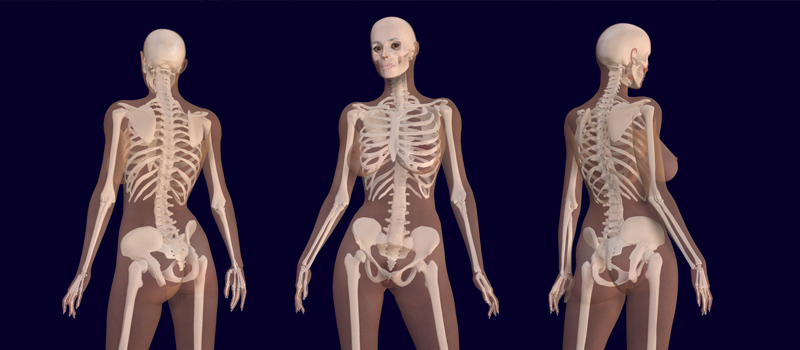
Bone density naturally decreases with age, with higher rates of loss in women after menopause. Lower bone density increases fracture risk, which can lead to loss of independence. The World Health Organization recognizes osteoporosis as a major public health concern in older adults.
Calcium and vitamin D are central nutrients for bone health, but they are part of a larger picture. Weight-bearing exercise, resistance training, sensible sun exposure for vitamin D synthesis, and managing medications that affect bone are all important. Harvard Medical School and the NIH provide practical recommendations for these elements.
Screening for osteoporosis through bone density tests is recommended for many older adults. Detecting low bone density early allows for lifestyle changes and medical treatments when appropriate. Discuss screening timing with your healthcare provider based on risk factors.
Modifiable risk factors for fractures
Risk factors that can be modified include poor nutrition, physical inactivity, smoking, excessive alcohol use, and falls. Addressing these factors reduces fracture risk and improves overall health. Public health agencies such as the Centers for Disease Control and Prevention emphasize fall prevention as a priority for older adults.
Medications can both help and harm bone health. Some drugs increase bone loss, while others are prescribed to strengthen bone. A medication review with a clinician can identify opportunities to minimize risk and optimize bone-protective strategies.
Simple home modifications and balance training reduce fall risk. Improving lighting, securing rugs, and installing grab bars are practical steps. Combining environmental changes with strength and balance work multiplies protective effects.
Nutrition Essentials for People Over 50
Nutritional needs change with age. Appetite may decrease while protein and micronutrient needs remain the same or increase. Eating patterns that support muscle, bone, immune function, and cognitive health are especially valuable after 50.
Protein intake is a cornerstone for preserving muscle. Evidence summarized by nutritional experts and agencies such as the National Institute on Aging supports higher per-meal protein for older adults compared with younger adults. Distributed protein intake across meals helps stimulate muscle protein synthesis.
Calcium, vitamin D, vitamin B12, and omega-3 fatty acids are among micronutrients often highlighted for older adults. Foods rich in these nutrients support bone health and cognitive function. When diet alone is insufficient, targeted supplementation under medical guidance can help.
Practical eating strategies
Aim for a protein-containing source at each meal, such as lean meat, poultry, fish, eggs, dairy, legumes, or tofu. Spreading protein across the day helps the body use it effectively for muscle maintenance.
Include a variety of vegetables and fruits to supply fiber and antioxidants. Whole grains and healthy fats, such as those from nuts, seeds, and cold-water fish, support cardiovascular and brain health. Hydration is also critical as thirst signals may diminish with age.
Consider a nutrition review with a registered dietitian if you have chronic conditions, weight changes, or difficulty preparing meals. Professional guidance can personalize portions, meal timing, and supplement needs safely.
Exercise Prescription for Strength, Balance, and Heart Health
Physical activity recommendations from the World Health Organization and the American Heart Association emphasize aerobic activity, muscle-strengthening, and balance exercises for older adults. All three components are important for longevity and quality of life.
Aerobic exercise supports the heart, lungs, and metabolic health. Aim for moderate-intensity activity most days, adjusted to individual capacity. Even brisk walking provides significant benefit for cardiovascular risk reduction as documented by major health organizations.
Muscle-strengthening at least two times per week is recommended. This should include major muscle groups and use progressive overload principles. Balance training, particularly for those at risk of falls, improves stability and confidence.
Designing a weekly plan
A practical weekly plan could include three resistance sessions, moderate aerobic activity on most days, and short balance sessions integrated into daily routines. Tailor duration and intensity to fitness levels and health conditions, and increase gradually.
If you have chronic health conditions such as heart disease, arthritis, or diabetes, work with your healthcare team to choose safe exercises. Many community programs and certified instructors specialize in older adult fitness and can guide progression.
Consistency matters more than perfection. Small increases in daily movement accumulate into meaningful changes in strength, mood, and overall function. Reinforce activity with social supports and realistic goals.
Cognitive Health and Brain Protection
Cognitive decline is not inevitable. Many lifestyle factors are associated with brain health and reduced risk of dementia. The NIH and WHO encourage interventions that combine physical activity, healthy diet, mental engagement, social connection, and management of vascular risk factors.
Physical activity improves blood flow to the brain and supports neuroplasticity. Nutrition patterns such as those recommended by researchers at recognized institutions highlight the benefits of a Mediterranean-style diet for cognitive health. Social engagement and lifelong learning stimulate neural networks.
Control of blood pressure, blood sugar, and cholesterol is critical because vascular disease contributes to cognitive decline. Smoking cessation and moderation of alcohol intake also protect the brain. Regular discussions with clinicians help manage these risk factors effectively.
Maintaining mental sharpness
Include activities that are mentally challenging, such as learning new skills, languages, or hobbies that require focus and problem solving. These activities complement physical and social habits to promote resilience of cognitive function.
Good sleep is an underappreciated pillar of brain health. Sleep patterns can change with age, and poor sleep affects memory and mood. Address sleep problems with your clinician; many treatable causes exist, including sleep apnea and medications that disrupt sleep architecture.
Mental health matters. Depression and anxiety can mimic or accelerate cognitive decline. The National Institute of Mental Health and other bodies recommend screening and treatment when symptoms occur. Seek support for mood changes as part of a holistic approach.
Preventive Health Care and Screenings
Preventive care becomes more important with age. Screening tests and vaccinations reduce the burden of disease and support healthy aging. The CDC, USPSTF, and NIH provide age-specific guidance for commonly recommended preventive measures.
Common screenings include blood pressure checks, cholesterol, diabetes screening, colorectal cancer screening, and bone density testing when indicated. Immunizations such as influenza, pneumococcal, shingles, and updated COVID-19 vaccines are often recommended for older adults.
Regular medication reviews are also essential. Polypharmacy increases with age and may lead to adverse effects. A clinician can assess which medications are necessary and adjust doses to reduce interactions and side effects.
Engaging with your healthcare team
Bring a list of medications, supplements, and important health history to appointments. Discuss goals related to independence, mobility, and cognition so care can be aligned with personal priorities.
Use screenings as opportunities to discuss prevention. Ask about lifestyle interventions, vaccination timing, and community resources. Many health systems offer programs specifically for older adults that address exercise, nutrition, and social engagement.
Advance care planning is an important but often overlooked aspect of preventive health. Conversations about preferences for care, designated decision-makers, and legal documents provide peace of mind and clear guidance for families and providers.
Managing Chronic Conditions and Multimorbidity
Chronic conditions such as hypertension, diabetes, arthritis, and heart disease are common after 50. Managing these conditions well preserves function and reduces complications. The NIH and other agencies stress the importance of integrated care.
Self-management skills include adherence to prescribed treatments, symptom monitoring, and lifestyle measures that improve control. Simple habits like medication organization and regular follow-up appointments reduce emergency visits and hospitalizations.
Coordination between specialists and primary care is essential when multiple conditions exist. A primary provider can help prioritize interventions and avoid conflicting recommendations that may complicate care.
Rehabilitation and recovery after setbacks
Periods of illness or hospitalization often accelerate loss of strength and independence. Early rehabilitation and an active recovery plan help restore function. Physical therapy, occupational therapy, and nutrition support are proven components of successful recovery.
Programs that combine exercise, nutrition, and functional training during recovery reduce long-term disability. Ask about outpatient or home-based rehabilitation services when leaving the hospital or after an acute illness.
Set realistic goals during recovery and expect gradual progress. Small, measurable improvements build momentum and motivation to continue healthy habits.
Practical Daily Habits for Long-Term Success
Integrating healthy habits into daily life is the most sustainable approach. Prioritize sleep, balanced meals, regular physical activity, social interaction, and routine health checks. These pillars interact and reinforce each other to produce better outcomes.
Create simple routines such as a morning walk, mid-day protein-rich meal, and evening balance exercises. Use reminders, calendar prompts, or exercise partners to maintain consistency. Habit formation is easier with specific cues and modest goals.
Environment matters. Keep healthy foods accessible, set up a safe space for exercise, and reduce fall hazards at home. Small changes in the built environment yield outsized benefits for daily function and safety.
Adapting habits to changing abilities
As abilities change, adapt activities rather than stopping them. If high-impact exercise causes joint pain, try water-based activity or cycling. If vision or mobility limitations emerge, engage in supervised programs or home modifications to maintain activity and independence.
Technology can support adherence and monitoring. Simple wearable devices, medication reminder apps, and telehealth visits increase access to care. Use technology as a tool, not a replacement for human support when needed.
Stay socially connected through community groups, volunteer roles, or family activities. Social ties are linked to better mental and physical health. If mobility limits face-to-face contact, consider phone calls and virtual gatherings as meaningful alternatives.
Actionable Conclusion: A Plan You Can Start Today
Begin with a brief assessment of your current habits, abilities, and medical status. Identify one or two high-impact changes to implement in the next two weeks, such as adding a protein source to each meal, starting two short resistance sessions per week, or scheduling a preventive screening.
Progress gradually. Increase the number of resistance sessions, walk duration, or balance practice over months. Track progress in a simple journal and celebrate small gains. Use primary care visits to align medical care with lifestyle goals and to review medications and screening needs.
Engage others. Share goals with friends, family, or community groups. Consider enrolling in supervised exercise classes, consulting a registered dietitian, or joining a local walking group. Social support increases accountability and enjoyment.
Final remarks and resources
Healthy aging after 50 is a realistic and evidence-based goal. Major institutions such as the World Health Organization, the National Institutes of Health, and Harvard Medical School offer reliable resources to guide choices. Combining nutrition, physical activity, cognitive engagement, and preventive care creates the strongest protection against decline.
Start where you are, focus on consistency, and seek professional guidance when needed. Small, sustained changes accumulate into meaningful improvements in strength, bone health, cognition, and overall quality of life.
Consult your healthcare provider before beginning a new exercise or nutrition program, particularly if you have chronic conditions. Use trusted resources from recognized institutions for up-to-date recommendations and community programs that support older adults. With the right plan, aging can be a period of resilience, productivity, and enjoyment.