7 Best Supplements for better sleep: The Ultimate Guide to Restful Nights
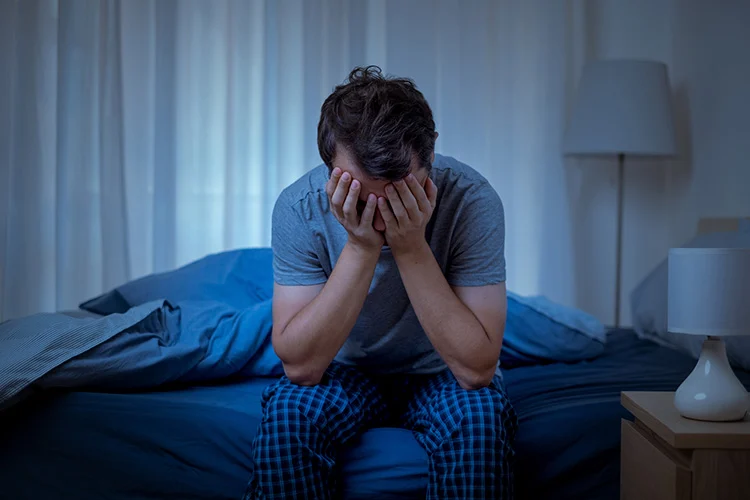
Are you struggling to fall asleep, stay asleep, or wake up feeling truly rested? You’re not alone. According to the Centers for Disease Control and Prevention (CDC), more than one-third of American adults regularly fail to get the recommended seven or more hours of sleep per night. Poor sleep is more than just an inconvenience — it’s linked to a higher risk of obesity, heart disease, type 2 diabetes, depression, and accelerated aging.
While good sleep hygiene practices — like keeping a consistent bedtime, avoiding screens before bed, and limiting caffeine — are the foundation of better sleep, many people find that natural supplements can provide additional support. The best sleep supplements work by targeting the underlying mechanisms of sleep: calming the nervous system, regulating circadian rhythms, lowering cortisol levels, or increasing levels of key sleep-promoting neurotransmitters.
In this comprehensive guide, we break down the 7 best supplements for better sleep, explaining exactly how each one works, what the science says, how to use them effectively, and who might benefit most. Whether you deal with occasional sleeplessness or chronic insomnia, this article will help you make an informed, evidence-based decision.
Why Sleep Matters More Than You Think
Before diving into the supplements, it’s worth understanding why quality sleep is so critical—especially from an anti-aging and longevity perspective. Sleep is the body’s primary restoration window. During deep sleep stages, the brain flushes out toxic waste products (including beta-amyloid plaques associated with Alzheimer’s disease) through the glymphatic system. Growth hormone is secreted in pulses during slow-wave sleep, facilitating cellular repair, muscle recovery, and metabolic regulation.
Chronic sleep deprivation accelerates telomere shortening—one of the most well-established biological markers of aging. It elevates inflammatory cytokines, disrupts glucose metabolism, impairs immune function, and drives hormonal imbalances. Simply put: sleep is not a luxury. It is a biological necessity, and optimizing it is one of the most powerful levers you can pull for both healthspan and lifespan.
What to Look for in a Sleep Supplement
Not all sleep supplements are created equal. When evaluating options, consider the following criteria:
- Scientific evidence: Is there peer-reviewed research supporting the supplement’s efficacy for sleep?
- Safety profile: Is it well-tolerated? Does it cause dependency or next-day grogginess?
- Mechanism of action: Does it address a specific aspect of your sleep problem (falling asleep, staying asleep, sleep quality)?
- Bioavailability: Is the form of the supplement well-absorbed by the body?
- Third-party testing: Is the product tested for purity and potency by an independent lab?
With these criteria in mind, let’s explore the seven best sleep supplements backed by science.
1. Melatonin – The Circadian Rhythm Regulator
What Is Melatonin?
Melatonin is a hormone naturally produced by the pineal gland in the brain. Its secretion is triggered by darkness and suppressed by light, making it the body’s primary signal for the onset of nighttime. Melatonin doesn’t directly induce sleep—rather, it communicates to the body that it’s time to prepare for sleep, lowering core body temperature and initiating the cascade of physiological changes associated with sleep onset.
What the Science Says
Melatonin is among the most researched sleep supplements in the world. A meta-analysis published in PLOS ONE analyzing 19 randomized controlled trials found that melatonin significantly reduced sleep onset latency (the time it takes to fall asleep), increased total sleep time, and improved overall sleep quality. It is particularly effective for:
- Jet lag and shift work sleep disorder
- Delayed sleep phase syndrome (DSPS)
- Age-related decline in melatonin production
- Children with neurodevelopmental disorders like ADHD or autism spectrum disorder (under medical supervision)
How to Use Melatonin
One of the most common mistakes with melatonin is taking too much. Many over-the-counter supplements come in doses of 5–10 mg, but research suggests that doses as low as 0.3–1 mg are often just as effective—and less likely to cause next-day grogginess or suppress the body’s own melatonin production over time. Take melatonin 30–60 minutes before your desired bedtime. For jet lag, take it at the local bedtime of your destination.
Recommended dose: 0.3–3 mg, 30–60 minutes before bed
Best for: Jet lag, shift workers, circadian rhythm disruptions, older adults
Safety note: Generally safe for short-term use; long-term safety data is less robust
2. Magnesium — The Relaxation Mineral
What Is Magnesium?
Magnesium is an essential mineral involved in over 300 enzymatic reactions in the body. Despite its critical importance, studies suggest that approximately 50% of people in developed countries are deficient in magnesium — a deficiency strongly associated with poor sleep, anxiety, muscle cramps, and elevated stress hormones.
For sleep, magnesium works through several mechanisms: it activates the parasympathetic nervous system (the “rest and digest” system), regulates GABA receptors (the primary inhibitory neurotransmitter in the brain), and helps lower cortisol levels. Low magnesium is associated with higher levels of inflammation and elevated norepinephrine, both of which are enemies of restful sleep.
What the Science Says
A double-blind, placebo-controlled study published in the Journal of Research in Medical Sciences found that magnesium supplementation in elderly adults significantly improved subjective measures of insomnia severity, sleep efficiency, sleep time, and early morning awakening. It also decreased serum cortisol levels and increased serum melatonin levels.
Another study in the Magnesium Research journal found that magnesium supplementation improved sleep quality in adults with poor sleep, particularly by increasing slow-wave (deep) sleep.
Best Forms of Magnesium for Sleep
Not all forms of magnesium are equally bioavailable or appropriate for sleep:
- Magnesium glycinate: Highly bioavailable and gentle on the stomach; the most recommended form for sleep and anxiety
- Magnesium threonate (MgT): Crosses the blood-brain barrier efficiently; emerging evidence suggests it may improve cognitive function and sleep quality
- Magnesium citrate: Good bioavailability but can have a mild laxative effect at higher doses
- Magnesium oxide: Poor bioavailability; not recommended for sleep optimization
Recommended dose: 200–400 mg of elemental magnesium (as glycinate or threonate), taken 1 hour before bed
Best for: Stress-related insomnia, muscle tension, older adults, people with poor dietary magnesium intake
Safety note: Very well tolerated; excess is excreted in urine
3. L-Theanine — The Calm Focus Amino Acid
What Is L-Theanine?
L-Theanine is a naturally occurring amino acid found almost exclusively in green tea leaves (Camellia sinensis). It is renowned for its ability to promote a state of calm alertness without sedation — which is why a cup of green tea can be relaxing without making you drowsy. However, when taken in higher doses before bed, L-theanine can significantly improve sleep quality by reducing anxiety and quieting racing thoughts that often prevent sleep onset.
What the Science Says
L-Theanine promotes alpha brain wave activity — the same brainwave pattern seen in meditation — which corresponds to a state of relaxed alertness. It works by modulating several neurotransmitters: increasing GABA, dopamine, and serotonin while reducing levels of excitatory neurotransmitters like glutamate.
A randomized controlled trial published in Nutrients found that L-theanine supplementation (200 mg/day) significantly improved sleep quality, sleep efficiency, sleep latency, and non-restorative sleep in subjects with generalized anxiety disorder. Another study in children with ADHD found that L-theanine supplementation improved sleep quality and reduced nighttime activity.
L-Theanine pairs particularly well with magnesium and low-dose melatonin as part of a sleep support stack.
Recommended dose: 100–400 mg, 30–60 minutes before bed
Best for: Anxiety-driven insomnia, racing thoughts at night, individuals sensitive to sedative supplements
Safety note: Excellent safety profile; no evidence of dependency or tolerance
4. Ashwagandha — The Adaptogenic Stress Buster
What Is Ashwagandha?
Ashwagandha (Withania somnifera) is one of the most important herbs in Ayurvedic medicine, used for over 3,000 years to relieve stress, increase energy, and improve concentration. Its Latin species name, somnifera, literally means “sleep-inducing” — hinting at its traditional use as a sleep aid. The primary active compounds in ashwagandha are withanolides, a class of steroidal lactones with potent adaptogenic and anti-inflammatory properties.
How Ashwagandha Improves Sleep
Ashwagandha improves sleep primarily by reducing the activity of the hypothalamic-pituitary-adrenal (HPA) axis — the body’s central stress response system. Chronic activation of the HPA axis elevates cortisol, which in turn suppresses melatonin production, delays sleep onset, and fragments sleep architecture. By blunting cortisol’s rise, ashwagandha helps restore the natural hormonal environment conducive to deep, restorative sleep.
Additionally, a key active compound, triethylene glycol (TEG), found in ashwagandha leaves, has been shown in animal studies to directly induce non-REM sleep via GABA receptor modulation.
What the Science Says
A double-blind, randomized, placebo-controlled study published in PLOS ONE evaluated the effects of ashwagandha root extract (KSM-66® at 300 mg twice daily) on sleep quality in 150 healthy adults and individuals with insomnia. Results showed significant improvements in sleep onset latency, total sleep time, sleep quality, and morning alertness after 8 weeks. Notably, the effect was stronger in individuals diagnosed with insomnia than in healthy subjects.
Another study in Medicine (2019) confirmed that ashwagandha root extract significantly improved sleep quality and mental alertness on rising compared to placebo.
Recommended dose: 300–600 mg of a root extract standardized to 5% withanolides (e.g., KSM-66®), taken 30–60 minutes before bed
Best for: Stress-driven sleep disturbances, high cortisol, individuals with demanding schedules or anxiety
Safety note: Generally safe; avoid in pregnancy; may interact with thyroid medications
5. Valerian Root — The Traditional Sleep Herb
What Is Valerian Root?
Valerian (Valeriana officinalis) is a flowering plant whose root has been used as a sleep remedy since ancient Greek and Roman times. Hippocrates described its properties, and it was prescribed by Galen for insomnia in the 2nd century AD. Today, it remains one of the most widely used herbal sleep aids in Europe and North America.
How Valerian Root Works
Valerian root contains several compounds that may contribute to its sedative effects, including valerenic acid, isovaleric acid, and various antioxidants. The primary mechanism appears to be the inhibition of the enzyme that breaks down GABA in the brain, effectively increasing GABA availability. This is a mechanism shared by some pharmaceutical sleep aids (like benzodiazepines), though valerian’s effects are considerably milder and do not carry the same dependency risk.
Valerian also contains actinidine, which has been found to stimulate serotonin receptors, and linarin, which has sedative and sleep-enhancing properties in animal studies.
What the Science Says
Research on valerian is mixed but generally positive. A systematic review and meta-analysis published in The American Journal of Medicine reviewed 16 studies and concluded that valerian may improve sleep quality without producing side effects, though the evidence is not yet conclusive enough for definitive clinical recommendations. Individual studies have shown improvements in sleep latency and subjective sleep quality, particularly after consistent use over 2–4 weeks.
Valerian works best when taken consistently rather than as an acute remedy. Many people do not notice significant effects until they have used it for 2–4 weeks.
Recommended dose: 300–600 mg of standardized valerian root extract, taken 30–120 minutes before bed
Best for: Difficulty falling asleep, mild insomnia, those looking for an herbal approach
Safety note: Generally safe; may cause vivid dreams in some individuals; not recommended for use with alcohol or sedative medications
6. Glycine — The Sleep-Deepening Amino Acid
What Is Glycine?
Glycine is the simplest amino acid, and it plays a unique and often underappreciated role in sleep biology. It is an inhibitory neurotransmitter in the brainstem and spinal cord, and it has a remarkable ability to lower core body temperature — a critical physiological precondition for deep, restorative sleep.
Core body temperature naturally drops 1–2°C as part of sleep initiation, with heat being redistributed from the core to the extremities. Glycine accelerates this process by vasodilating peripheral blood vessels, helping the body shed heat more quickly and enter sleep faster.
What the Science Says
Research from Japan has produced some of the most compelling evidence for glycine as a sleep supplement. A placebo-controlled crossover study published in Sleep and Biological Rhythms found that participants who took 3 g of glycine before bed showed significantly reduced sleep latency, improved sleep quality, and reduced daytime sleepiness the next day, despite no change in total sleep time.
A follow-up study in Frontiers in Neurology confirmed that glycine supplementation reduced fatigue and improved cognitive performance the day after sleep restriction. Crucially, glycine does NOT produce drowsiness or impair alertness the next morning — a significant advantage over many pharmaceutical sleep aids.
Glycine is also a primary component of collagen (making up approximately one-third of its amino acid composition), which means that collagen protein supplements taken before bed may also support sleep quality.
Recommended dose: 3 g, taken 30–60 minutes before bed
Best for: Individuals who feel hot at night, those with poor sleep quality despite adequate duration, people who wake groggy
Safety note: Excellent safety profile; no known contraindications at standard doses
7. Phosphatidylserine — The Cortisol Crusher
What Is Phosphatidylserine?
Phosphatidylserine (PS) is a phospholipid — a type of fat molecule — found in high concentrations in brain cell membranes. It plays a crucial role in maintaining cell membrane integrity, facilitating communication between neurons, and regulating the activity of receptors and enzymes embedded in cell membranes. From a sleep perspective, phosphatidylserine is most notable for its ability to blunt the cortisol response to stress.
How Phosphatidylserine Improves Sleep
The connection between phosphatidylserine and sleep is primarily mediated through the HPA axis. Elevated evening cortisol is one of the most common physiological drivers of sleep-onset insomnia — the kind where you lie in bed feeling wired, unable to “switch off.” PS has been shown in multiple human trials to significantly reduce cortisol levels following both psychological and physical stressors.
A study published in Nutritional Neuroscience found that PS supplementation (400 mg/day) significantly reduced cortisol secretion in response to mental stress in healthy adults. When cortisol is suppressed in the evening hours, the body’s natural melatonin signal can emerge more strongly, facilitating faster sleep onset and better sleep architecture.
What the Science Says
Beyond cortisol, PS supports brain health in ways that indirectly benefit sleep. It has been shown to improve cognitive function, reduce symptoms of ADHD, and support memory consolidation — a process that happens primarily during sleep. Research published in the Journal of the International Society of Sports Nutrition found that PS supplementation reduced the cortisol response to overtraining in athletes, improving both recovery and sleep quality.
PS is particularly well-suited for individuals who are high-achieving, type-A personalities, or anyone whose sleep problems are driven primarily by a busy, stressed mind that refuses to quiet down at bedtime.
Recommended dose: 100–400 mg, taken in the late afternoon or early evening (2–4 hours before bed)
Best for: High-stress individuals, overtraining athletes, people with elevated evening cortisol
Safety note: Well tolerated; some products are derived from soy (sunflower-derived PS is available for those with soy allergies)
How to Build an Effective Sleep Supplement Stack
Many of the supplements on this list work through complementary mechanisms, meaning they can be combined for greater effect than any single supplement alone. Here is a well-researched, evidence-based sleep supplement stack used by many longevity and performance-oriented individuals:
Evening Stack (2–3 hours before bed):
- Ashwagandha (KSM-66®): 300 mg — to lower cortisol and reduce stress
- Phosphatidylserine: 200–400 mg — to blunt HPA axis activity
Pre-Sleep Stack (30–60 minutes before bed):
- Magnesium glycinate: 300–400 mg — to relax muscles and activate GABA receptors
- L-Theanine: 200–400 mg — to promote calm alpha brain wave activity
- Glycine: 3 g — to lower core body temperature and improve sleep depth
- Melatonin: 0.5–1 mg — to reinforce circadian timing (use sparingly or only when needed)
This combination addresses multiple dimensions of sleep: cortisol regulation, GABA enhancement, thermoregulation, and circadian signaling. Start with one or two supplements and add others gradually to identify what works best for your individual physiology.
Lifestyle Factors That Amplify Sleep Supplement Effectiveness
No supplement can fully compensate for poor sleep habits. To maximize the benefits of any sleep supplement, combine it with these evidence-based practices:
- Consistent sleep schedule: Go to bed and wake up at the same time every day, even on weekends. This anchors your circadian rhythm.
- Dark, cool bedroom: Keep your bedroom between 65–68°F (18–20°C) and as dark as possible. Use blackout curtains if needed.
- Limit blue light exposure: Avoid screens for at least 1 hour before bed, or use blue-light-blocking glasses. Blue light suppresses melatonin production.
- Avoid late-night eating: Eating within 2–3 hours of bedtime can disrupt sleep onset and reduce growth hormone secretion during the first sleep cycle.
- Morning sunlight exposure: Getting 10–20 minutes of natural light in your eyes within an hour of waking up sets your circadian clock, which will make it easier to fall asleep at night.
- Limit alcohol: Alcohol may help you fall asleep faster, but it disrupts REM sleep and fragments the second half of the night. It is not a sleep aid.
- Regular exercise: Physical activity improves sleep quality, but avoid vigorous exercise within 2–3 hours of bedtime as it can raise core body temperature and cortisol.
When to See a Doctor About Sleep Problems
While sleep supplements can be highly effective for mild to moderate sleep difficulties, they are not a substitute for medical evaluation when sleep problems are severe or persistent. You should consult a healthcare provider if:
- You regularly snore loudly or have been told you stop breathing during sleep (possible sleep apnea)
- You have had persistent insomnia (3+ nights per week for 3+ months) despite good sleep hygiene
- You experience extreme daytime sleepiness that interferes with daily function
- You have restless legs syndrome (an uncomfortable urge to move your legs at night)
- You have symptoms of depression, anxiety, or other mental health conditions that are affecting sleep
Cognitive Behavioral Therapy for Insomnia (CBT-I) remains the gold standard treatment for chronic insomnia and is more effective in the long term than both pharmaceutical sleep aids and supplements. It works by addressing the psychological and behavioral factors that perpetuate insomnia.
Frequently Asked Questions About Sleep Supplements
Are sleep supplements safe to take every night?
Most of the supplements on this list — particularly magnesium, L-theanine, glycine, and ashwagandha — have excellent long-term safety profiles and can be taken nightly without concern. Melatonin is best used intermittently or at the lowest effective dose when used regularly. Valerian and phosphatidylserine are also generally safe for extended use. As always, consult your doctor if you are on medications or have underlying health conditions.
How long does it take for sleep supplements to work?
This varies by supplement. Melatonin, L-theanine, and glycine typically produce noticeable effects within 30–60 minutes of a single dose. Magnesium and ashwagandha often require 1–2 weeks of consistent use before their full benefits are apparent. Valerian root may take 2–4 weeks of regular use to show significant results.
Can I take multiple sleep supplements together?
Yes — many of the supplements on this list work synergistically and are safe to combine. Magnesium, L-theanine, and glycine are a particularly well-tolerated combination. However, combining multiple sedative substances (including pharmaceutical sleep aids and alcohol) requires caution. Always introduce new supplements one at a time so you can assess your individual response.
Do sleep supplements cause dependency?
None of the supplements on this list are associated with physical dependency or addiction. This is in sharp contrast to pharmaceutical sleep aids such as benzodiazepines and Z-drugs (like zolpidem), which can cause tolerance, physical dependence, and significant withdrawal symptoms. This is one of the key advantages of natural sleep supplements for long-term use.
What is the best supplement for sleep anxiety?
For sleep driven by anxiety or racing thoughts, the most effective options are L-theanine (200–400 mg), ashwagandha (300 mg), and magnesium glycinate (300–400 mg). These three together form a powerful anxiolytic sleep stack without the risks of pharmaceutical anxiolytics.
Conclusion: Finding the Right Sleep Supplement for You
Sleep is one of the most important — and most underestimated — pillars of health and longevity. When sleep quality suffers, virtually every other aspect of health deteriorates with it: cognitive function, mood, metabolism, immune function, hormonal balance, and even the pace of biological aging.
The 7 best supplements for better sleep — melatonin, magnesium, L-theanine, ashwagandha, valerian root, glycine, and phosphatidylserine — each offer a distinct mechanism of action targeting different aspects of the sleep process. Rather than viewing them as a substitute for good sleep habits, think of them as powerful tools to support and amplify the lifestyle practices that form the true foundation of great sleep.
Start by identifying the root cause of your sleep problem: Is it difficulty falling asleep? Staying asleep? Waking too early? Stress and racing thoughts? Not feeling refreshed? Then choose the supplement (or combination of supplements) that best addresses your specific issue, start at the lower end of the recommended dose range, and give the supplement at least 2–4 weeks before evaluating its effectiveness.
When used thoughtfully alongside consistent sleep hygiene practices, these evidence-based sleep supplements can make a profound and measurable difference in the quality of your sleep — and, by extension, in the quality of your life.
Disclaimer: This article is for informational purposes only and does not constitute medical advice. Always consult a qualified healthcare professional before starting any new supplement, especially if you are pregnant, nursing, taking medications, or have a pre-existing medical condition.